Understanding The Time Zone Map USA
Time Zone World >> Time Zone>> Understanding The Time Zone Map USA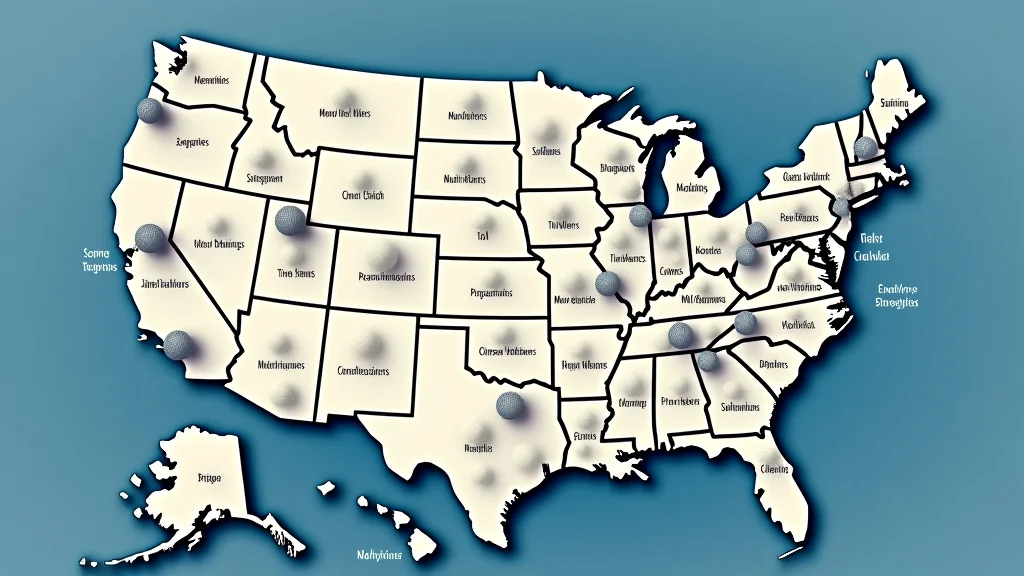
Understanding The Time Zone Map USA
Figuring out the time zone map usa can seem a bit tricky when you first look at it. Lots of states have more than one time zone, and some places even have odd rules. This can make planning calls or understanding local times a little confusing.
But don’t worry, we’ll make it super simple. Let’s break down how the USA’s time zones work, step by step, so you can see it all clearly.
Key Takeaways
- You will learn the names of the main US time zones and where they are.
- We will explain why different parts of the US observe different times.
- You will find out about daylight saving time and how it affects the zones.
- We will show you how to use a time zone map to check times across the country.
- You will see how different regions handle their local times.
Exploring The USA Time Zones
The United States spans a vast continent, and to manage daylight hours effectively, it is divided into several time zones. These zones help align local time with the sun’s position, making daily activities more practical. Imagine if it was still dark when many people needed to start their workday; time zones prevent this.
This system ensures that noon is roughly when the sun is at its highest point in the sky for most people in that zone.
Understanding these zones is key for anyone traveling, communicating with people in different states, or even just following national news. The differences in time can affect flight schedules, business meetings, and even when your favorite TV shows air.
The Standard Time Zones
There are four primary contiguous time zones in the United States. These are Eastern, Central, Mountain, and Pacific. Each covers a significant portion of the country, moving from east to west.
Eastern Time Zone
The Eastern Time Zone is the furthest east. It covers states like New York, Florida, and much of the East Coast. It is 5 hours behind Coordinated Universal Time (UTC-5) during standard time.
Central Time Zone
Moving west, the Central Time Zone follows. This zone includes states like Texas, Illinois, and parts of the Midwest. It is 6 hours behind UTC (UTC-6).
Mountain Time Zone
Next is the Mountain Time Zone. This zone includes states like Colorado, Arizona, and parts of the Rocky Mountains. It is 7 hours behind UTC (UTC-7).
Pacific Time Zone
The furthest west of the main contiguous zones is the Pacific Time Zone. This covers California, Washington, Oregon, and Nevada. It is 8 hours behind UTC (UTC-8).
Beyond The Contiguous States
The United States also has time zones in its non-contiguous states and territories. These are important to know if you are dealing with anyone from these areas.
Alaska Time Zone
Alaska has its own time zone, which is UTC-9. It is one hour behind the Pacific Time Zone.
Hawaii-Aleutian Time Zone
Hawaii and some of the Aleutian Islands operate on Hawaii-Aleutian Time. This is UTC-10. It does not observe daylight saving time.
Other US Territories
US territories like Puerto Rico and the Virgin Islands observe Atlantic Standard Time (UTC-4). Guam and the Northern Mariana Islands are much further west and use Chamorro Standard Time (UTC+10).
The Impact Of Daylight Saving Time
Daylight Saving Time (DST) is a practice observed by most of the United States. It involves moving clocks forward by one hour during warmer months. This is done to make better use of daylight.
The goal is to have more daylight in the evenings, which can save energy and provide more opportunities for outdoor activities.
When DST is active, the time zones effectively shift. For example, Eastern Standard Time (EST) becomes Eastern Daylight Time (EDT), which is UTC-4 instead of UTC-5. This change affects all but a few states and territories.
Which Areas Observe Daylight Saving Time
Most states in the contiguous United States observe DST. This means that during the spring, summer, and fall months, clocks are set forward. The shift occurs on the second Sunday in March and ends on the first Sunday in November.
However, there are exceptions. Arizona, with the exception of the Navajo Nation, does not observe DST. This is largely due to the intense summer heat; additional daylight in the evening is not always desirable.
Hawaii also opts out of DST.
Understanding The Shift
The DST shift can cause confusion, especially for those who need to coordinate across different time zones. When clocks spring forward, the time difference between zones temporarily changes.
For example, if it is 2 PM Eastern Daylight Time (EDT), it is 1 PM Central Daylight Time (CDT), 12 PM Mountain Daylight Time (MDT), and 11 AM Pacific Daylight Time (PDT). This is a consistent 1-hour shift between each contiguous zone.
Scenario Example DST Shift
- A business meeting is scheduled for 10 AM Pacific Time.
- The meeting participants are spread across Pacific, Mountain, and Eastern Time Zones.
- If Daylight Saving Time is in effect, the Pacific participant sees 10 AM.
- The Mountain participant sees 11 AM.
- The Eastern participant sees 1 PM.
- This highlights the importance of specifying the time zone when making arrangements.
Statistics On Daylight Saving Time
Studies on the effects of DST have produced mixed results. Some research suggests potential energy savings, while others point to disruptions in sleep patterns and even increases in certain health issues shortly after the time change. For instance, a study published in the journal Nature found a temporary increase in heart attacks in the days following the spring forward.
Conversely, some older studies indicated small energy savings, though more recent analyses often question these findings due to increased use of electronics.
Visualizing The USA Time Zone Map
A visual time zone map usa is the clearest way to see how the zones are laid out. These maps show the boundaries between the different time zones across the country. They are invaluable tools for anyone planning travel or coordinating events nationwide.
When you look at a map, you can see how the zones generally follow state lines, but not always. Some states are split between two time zones, which can be a point of interest.
Reading A Time Zone Map
Most time zone maps use different colors or shaded areas to represent each zone. They will typically label each area with the name of the time zone (e.g., Eastern, Central) and its abbreviation (e.g., ET, CT).
You will also often see the UTC offset listed, like UTC-5 for Eastern Standard Time. This offset tells you how many hours that time zone is ahead or behind Coordinated Universal Time. Knowing this can help you calculate time differences with places around the world.
Key Features Of A Time Zone Map
- Clear delineation of boundaries between time zones.
- Labels indicating the name and abbreviation of each zone.
- Indications of whether a state is entirely within one zone or split.
- Often includes the UTC offset for each zone.
- May show major cities within each zone for reference.
Example Of A Split State
Nebraska is a good example of a state split between two time zones. The western part of Nebraska is in the Mountain Time Zone, while the eastern part observes Central Time. This means that someone in Omaha might be on a different time than someone in Scottsbluff.
This division is often historical, based on early settlement patterns and the influence of major transportation routes. The Central Time Zone generally follows the Missouri River in this region.
Interpreting A Time Zone Map
To use a map effectively, find your current location. Then, locate the destination you are interested in. Follow the boundaries on the map to determine which time zone the destination falls into.
You can then calculate the time difference using the zone names or UTC offsets.
For instance, if you are in Los Angeles (Pacific Time) and need to call someone in Chicago (Central Time), you would see that Chicago is two hours ahead. So, 9 AM in Los Angeles is 11 AM in Chicago.
Resources For Time Zone Maps
Numerous websites offer interactive time zone map usa tools. These are often more helpful than static maps because you can zoom in and out and sometimes even get the current time for any location. Official government sites, like those from NOAA (National Oceanic and Atmospheric Administration), also provide reliable information and maps.
Navigating Time Zone Differences
Dealing with time zone differences is a common aspect of modern life, whether for work, travel, or staying in touch with friends and family. The vastness of the United States, with its multiple time zones, makes this an everyday concern for many.
Understanding these differences helps prevent miscommunications and ensures that everyone is on the same page when it comes to scheduling. It is a skill that becomes second nature with practice and the right tools.
Practical Applications
For businesses, coordinating meetings across different offices in various time zones is essential. For example, a company with headquarters in New York and a branch in San Francisco must account for a three-hour difference.
Travelers need to adjust their watches and understand arrival and departure times in local zones. Even simple activities like watching a live broadcast or making a phone call require awareness of time zone differences.
Tips For Managing Time Zones
- Always specify the time zone when scheduling events.
- Use online tools or apps that show current times in multiple locations.
- When traveling, set your watch or phone to the local time immediately upon arrival.
- When in doubt, ask for clarification on the time zone.
When Time Zones Cause Issues
One common issue is when people forget to account for Daylight Saving Time changes. This can lead to incorrect scheduling, especially when coordinating with areas that do not observe DST or observe it on different dates.
Another challenge arises with the split states. People may assume an entire state is in one time zone, only to find out their specific location is in another. This can happen in states like Oregon, Kansas, and Idaho, where boundaries cut through communities.
Case Study: A Cross-Country Conference Call
A marketing team based in Chicago needed to hold a weekly conference call with their sales team in Denver and their advertising partners in Atlanta. Chicago is in Central Time, Denver is in Mountain Time, and Atlanta is in Eastern Time. All three locations observe Daylight Saving Time.
Initially, they scheduled the call for 10 AM Chicago time. This meant the Denver team had to join at 9 AM local time, and the Atlanta team had to join at 11 AM local time. While manageable, the sales team in Denver often found it difficult to attend at 9 AM due to early morning client meetings.
After discussing the issue, they adjusted the call to 12 PM Central Time. This translated to 11 AM Mountain Time and 1 PM Eastern Time. This new schedule was more convenient for both the Denver and Atlanta teams, improving attendance and engagement for the conference calls.
Understanding Time Zone Abbreviations
Knowing the abbreviations for US time zones is helpful. They are:
- EST Eastern Standard Time (UTC-5)
- EDT Eastern Daylight Time (UTC-4)
- CST Central Standard Time (UTC-6)
- CDT Central Daylight Time (UTC-5)
- MST Mountain Standard Time (UTC-7)
- MDT Mountain Daylight Time (UTC-6)
- PST Pacific Standard Time (UTC-8)
- PDT Pacific Daylight Time (UTC-7)
- AKST Alaska Standard Time (UTC-9)
- AKDT Alaska Daylight Time (UTC-8)
- HST Hawaii Standard Time (UTC-10)
Remember that the “S” in the abbreviation stands for Standard time, and the “D” stands for Daylight time. During Daylight Saving Time, the UTC offset becomes one hour later (smaller negative number) compared to Standard Time.
Common Myths Debunked
Myth 1: All of California Is In The Pacific Time Zone.
This is mostly true, but there’s a small nuance. While the vast majority of California operates on Pacific Standard Time (PST) or Pacific Daylight Time (PDT), the state’s official time zone is defined by federal law. For practical purposes, consider all of California to be in the Pacific Time Zone.
Myth 2: Daylight Saving Time Is Observed Everywhere In The US.
No, this is not true. As mentioned earlier, Arizona (except the Navajo Nation) and Hawaii do not observe Daylight Saving Time. This means their clocks remain on Standard Time year-round.
Myth 3: Time Zone Boundaries Are Always Straight Lines Following State Borders.
While many time zone boundaries follow natural features or state lines, they are not always straight. There are many jagged and irregular lines where zones meet. This is due to historical reasons, economic factors, and the need to keep communities together.
Myth 4: The US Only Has Four Time Zones.
This is incorrect. While there are four main contiguous time zones (Eastern, Central, Mountain, Pacific), the US also includes Alaska, Hawaii-Aleutian, and several territories, bringing the total number of US time zones to eleven.
Frequently Asked Questions
Question: What is the current time in New York
Answer: New York is in the Eastern Time Zone. If Daylight Saving Time is active, it is EDT (UTC-4). If not, it is EST (UTC-5).
You would need to check the current date to know if DST is in effect.
Question: Does Texas have more than one time zone
Answer: Most of Texas is in the Central Time Zone. However, a small portion of the western part of the state observes Mountain Time.
Question: When did Daylight Saving Time start in the US
Answer: The concept of DST was first proposed in the late 19th century, but it was not standardized in the United States until the Standard Time Act of 1918. It has been modified and observed with varying laws and dates over the years.
Question: Are there any US states that don’t change clocks for DST
Answer: Yes, Arizona (except for the Navajo Nation) and Hawaii do not observe Daylight Saving Time and remain on their standard time year-round.
Question: How do I find the exact time in a specific US city
Answer: You can use many online tools or search engines. Simply type in the city name followed by “current time,” and it will usually display the accurate local time, often specifying if DST is active.
Summary
The time zone map usa illustrates a system designed for practical daylight use across a large nation. Understanding the four main zones plus Alaska and Hawaii, and the impact of Daylight Saving Time, simplifies scheduling and communication. Always check the specific zone and DST status when coordinating across distances.
Related Post

Understanding the Eastern Time Zone
Figuring out time zones can be a little tricky sometimes, right? Especially when you hear…