Easy Time Zone Converter Guide
Time Zone World >> Time Zone>> Easy Time Zone Converter Guide
Easy Time Zone Converter Guide
Figuring out what time it is in another country can be tricky. Many people find a time zone converter confusing at first. It’s like trying to talk to someone who speaks a different language. But don’t worry! We will make it super simple. We will show you exactly how to use one step by step. Let’s get started on making time differences clear.
Key Takeaways
- You will learn what a time zone converter is.
- We will explain how to use one for travel or work.
- You will see why it is helpful for global communication.
- We will cover common challenges and how to solve them.
- You will find tips for choosing the best converter tool.
- We will make using this tool easy for anyone.
What Is A Time Zone Converter
A time zone converter is a tool that helps you find out the current time in different places around the world. Imagine you need to call a friend in Australia, but you live in New York. New York and Australia are in very different time zones. A time zone converter instantly tells you if it’s day or night there and what the exact hour is. This is super useful for many reasons.
It takes the guesswork out of scheduling calls, planning meetings, or even just knowing when to send an email. Without one, you might accidentally call someone very late at night or very early in the morning, which is not ideal. Learning to use a time zone converter makes global communication much smoother and avoids awkward mistakes.
How Time Zones Work
The Earth is a big ball that spins. As it spins, different parts face the sun. When your part faces the sun, it’s daytime. When it faces away, it’s nighttime. To make things fair, the world is divided into 24 main time zones. Each zone is about 15 degrees of longitude wide. This is because the Earth spins 360 degrees in 24 hours, so 360 divided by 24 equals 15.
These zones are mostly based on the sun’s position. However, countries and regions often adjust their boundaries to follow political or geographical lines. This can make things a bit more complicated than just a straight 15-degree split. Some places also use Daylight Saving Time (DST), where they move their clocks forward or back an hour during certain parts of the year. This adds another layer of complexity to time zone calculations.
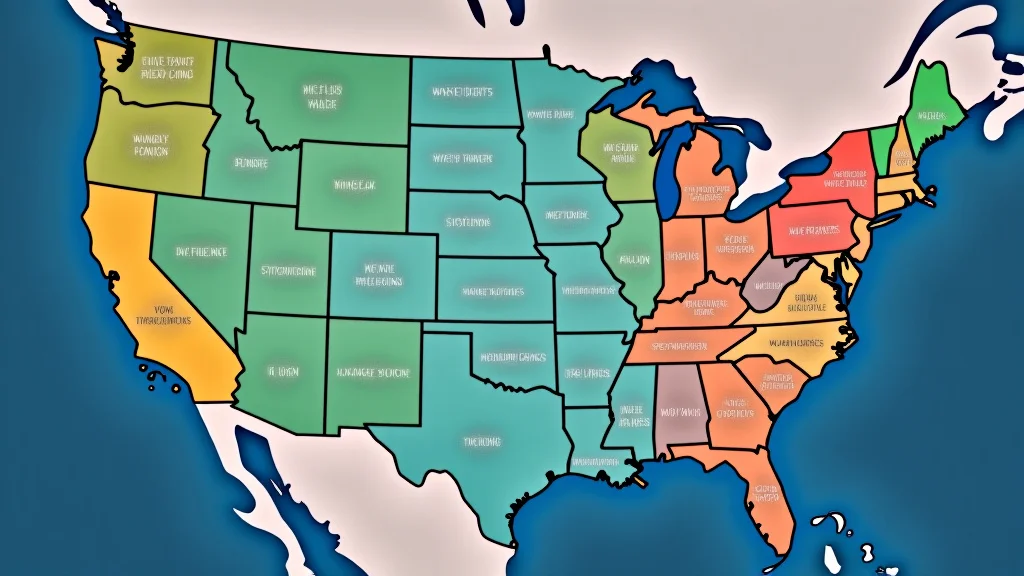
For example, the United States has six main time zones: Eastern, Central, Mountain, Pacific, Alaska, and Hawaii-Aleutian. Each of these zones is one hour apart from the next. So, if it’s 12 PM in New York (Eastern Time), it’s 11 AM in Chicago (Central Time), 10 AM in Denver (Mountain Time), and 9 AM in Los Angeles (Pacific Time).
Why Time Zones Can Be Confusing
Time zones can seem tricky because there are so many of them, and they don’t always line up perfectly. Think about all the countries in the world! Each one might have its own local time. Plus, some countries have multiple time zones within their own borders, like the United States or Russia.
Daylight Saving Time is another big reason for confusion. When one country is on DST, another might not be. This means the difference in time between two places can change throughout the year. Trying to remember all these differences for every country you communicate with would be impossible. That’s where a time zone converter becomes your best friend.
For instance, imagine you’re planning a video conference with colleagues in London and Tokyo. London observes Daylight Saving Time, while Japan does not. The time difference between your location and London will change when DST starts or ends, while the difference with Tokyo will remain constant.
Keeping track of these shifting differences manually requires constant attention and is prone to errors.
How To Use A Time Zone Converter
Using a time zone converter is quite straightforward once you know the basic steps. Most converters work in a similar way, making them easy to learn. You just need to tell the tool where you are and where you want to know the time.
The tool then does all the hard math for you instantly. You don’t need to be a math whiz or a geography expert. It’s designed to be simple for anyone to get the information they need quickly and accurately.
Step-by-Step Guide
Here is a simple way to use most online time zone converters:
- Find a reliable time zone converter website. There are many free ones available online.
- Look for a feature where you can enter your current location or time zone. This might be a dropdown menu or a search bar.
- Next, you will need to add the location or time zone you want to convert to. Again, this is usually a dropdown menu or search bar.
- Once you have entered both locations, the converter will automatically show you the current time in the second location. Some converters also show you the difference in hours.
- If you need to compare multiple times, many converters allow you to add several cities or time zones to a list. This lets you see all the times side-by-side.
For example, let’s say you are in Los Angeles and want to know the time in Paris. You would select “Los Angeles” or “Pacific Time” as your starting point. Then, you would select “Paris” or “Central European Time” as your destination.
The converter would then display the current time in Paris and how many hours ahead or behind it is from Los Angeles.
Choosing Your Starting Point
The first step is always telling the converter where you are starting from. This is your reference point. You can usually enter your city name or select your time zone from a list. Make sure to be accurate with your starting location so the calculation is correct.
If you are unsure of your exact time zone, many converters can automatically detect it based on your computer’s settings. However, if you are traveling, it’s good to manually select the time zone of your current physical location. This ensures the most precise results.
Setting Your Destination
After telling the converter your starting time, you need to tell it where you want to go. This is the destination time zone. You can enter a city name, a country, or select a specific time zone from the provided options.
It’s helpful if the converter offers a wide range of cities and time zones. This way, you can usually find the exact location you need. Some converters might also let you see a world map with all the time zones highlighted, which can be very useful for understanding global time differences.
Benefits Of Using A Time Zone Converter
Using a time zone converter offers many advantages, especially when you deal with people or businesses in different parts of the world. It makes your life easier and helps you avoid common mistakes.
These tools are not just for travelers; they are essential for anyone who communicates across borders. They streamline processes and improve efficiency in many situations.
Global Business And Work
In today’s connected world, many businesses operate across different countries. This means team members, clients, and partners might be spread all over the globe. Scheduling meetings or making calls can be a headache without a reliable way to check times.
A time zone converter ensures that everyone joins meetings on time and avoids scheduling conflicts. This helps maintain productivity and good working relationships. For example, a company with offices in New York, London, and Singapore would constantly use a time zone converter to schedule global team calls.
Imagine a project manager in Germany needing to coordinate with a development team in India and a marketing team in California. Without a time zone converter, they might schedule a call that is inconvenient for one of the teams. For instance, a 9 AM meeting in Germany could be 12:30 PM in India but 12 AM (midnight) in California, making it very difficult for the California team.
A converter would quickly highlight this issue.
International Travel Planning
When you plan international trips, understanding time differences is crucial. You need to know what time it will be when you land, what time to set your watch to, and when local businesses will be open.
A time zone converter helps you accurately plan your arrival, book accommodations, and schedule activities without missing out or arriving at an inconvenient hour. It also helps you stay in touch with people back home by letting you know the best times to call them.
Staying Connected With Friends And Family
If you have friends or family living in other countries, a time zone converter is invaluable. It helps you pick the right time to call or video chat so you don’t disturb them. You can easily find a window when it’s a reasonable hour for both of you.
This simple tool keeps relationships strong by facilitating timely communication. It shows thoughtfulness and respect for the schedules of loved ones living far away.
Educational Purposes
Students and teachers can also benefit greatly from time zone converters. They are useful for understanding geography, world history, and global events. Learning about different time zones can be an engaging way to teach about the Earth’s rotation and human organization of time.
For example, a history class studying a particular event might need to understand the local time of that event in its original location. A time zone converter can help provide this context.
Common Challenges And Solutions
While time zone converters are very helpful, some common issues can still arise. Understanding these challenges can help you use the tools even more effectively.
Most of these problems have simple solutions or can be avoided with a little attention.
Daylight Saving Time Confusion
As mentioned before, Daylight Saving Time (DST) is a major source of confusion. When clocks change, the time difference between two locations can shift by an hour.
Many modern time zone converters automatically account for DST if you provide current dates. Always check if the converter you are using is up-to-date with DST rules for all relevant regions. If not, you might need to manually adjust for the time change.
For example, if you are in the United States and plan a call with someone in the UK in early April. The US will have started DST, but the UK might still be on standard time for another week or two. A converter that doesn’t account for the exact dates of DST changes might show an incorrect time difference.
Always ensure the tool knows the specific date you are interested in.
Different Naming Conventions
Sometimes, cities or regions have different names in different languages or systems. This can make it hard to find the exact location you are looking for in a converter.
Many converters allow you to search by country or by a broader time zone name (like “Eastern Standard Time”) if you can’t find a specific city. Using abbreviations or common names can also help.
Time Zone Abbreviations
Various time zone abbreviations exist (e.g., EST, EDT, PST, PDT, UTC, GMT). These can be confusing because some abbreviations are used for different time zones in different contexts, or they change with Daylight Saving Time.
Always try to use the full name of the city or region if possible. If you must use abbreviations, double-check their meaning and ensure they match the location you are interested in. Most converters will display the full time zone name next to the abbreviation to help clarify.
Accuracy Of Online Tools
While most online converters are accurate, very rarely, some might have outdated information or bugs. This is especially true for less popular or older tools.
It’s a good practice to cross-reference the time with another converter or a reliable source if the time seems significantly off, especially for critical appointments. Major, well-known converter sites are generally very reliable.
Advanced Features To Look For
Some time zone converters offer advanced features that can be very useful for specific needs. These go beyond just showing the current time.
Exploring these features can help you find a tool that best fits your personal or professional requirements.
Multiple City Comparisons
The best time zone converters allow you to add several cities or time zones to a single view. This is incredibly useful for people who need to coordinate with many different locations simultaneously.
You can see all the times laid out clearly, making it easy to find a common meeting time. This feature saves you from repeatedly entering different locations into the converter.
Meeting Scheduler Integration
Some advanced tools can integrate with calendar applications like Google Calendar or Outlook. This allows you to directly schedule meetings based on the time zone information provided.
This integration streamlines the scheduling process even further, reducing the chance of errors when transferring meeting details to your calendar.
World Clock Displays
Many converters also offer a world clock feature. This is a digital display showing the current time in multiple major cities around the world.
This is great for keeping track of global times at a glance, especially if you frequently interact with people in different regions.
Mobile Apps And Browser Extensions
For convenience, many time zone converter services offer dedicated mobile apps for your smartphone or tablet. They also provide browser extensions that can show you time zone information directly within your web browser.
These tools ensure you can quickly check times wherever you are, without needing to open a separate website.
Choosing The Right Time Zone Converter
With so many options available, choosing the best time zone converter might seem overwhelming. However, by considering a few key factors, you can find one that suits your needs perfectly.
Think about how you will use the tool most often and what features would be most helpful.
Simplicity And Ease Of Use
For most people, the most important factor is how easy the converter is to use. A clean, intuitive interface with clear instructions is ideal. You want to be able to get the time information you need without a steep learning curve.
Avoid tools that are cluttered with ads or have confusing menus. The goal is quick and accurate time conversion.
Accuracy And Reliability
Ensure the converter you choose is known for its accuracy. Look for sites that are regularly updated and clearly state how they handle Daylight Saving Time.
Reputable converters often use official time data sources to ensure their information is correct.
Availability Of Locations
Check if the converter includes the cities or time zones you frequently need to convert to. A good converter will have a comprehensive list of locations worldwide.
If you work with specific or less common regions, verify that they are included.
Additional Features
Consider whether you need advanced features like multiple city comparisons, calendar integration, or mobile apps. These can significantly enhance the usability of the tool for your specific workflow.
For example, if you are a frequent traveler, a good mobile app is essential. If you manage global teams, the multiple city comparison feature is a must-have.
Real-Life Examples And Scenarios
Let’s look at some practical examples of how a time zone converter is used in everyday life and work. These scenarios highlight the importance of this tool.
Seeing how others use it can give you ideas for your own needs.
Scenario 1 Planning A Global Conference Call
A marketing team in Sydney, Australia, needs to schedule a weekly call with their sales partners in Berlin, Germany, and San Francisco, USA.
- The team lead opens an online time zone converter.
- They enter Sydney and select the current date. The converter shows it is 10 AM in Sydney.
- They add Berlin. The converter shows it is 2 AM in Berlin on the same day.
- They add San Francisco. The converter shows it is 5 PM the previous day in San Francisco.
- The team lead then looks for a time that works for all. They might propose a call for 7 PM Sydney time, which would be 11 AM in Berlin and 3 AM in San Francisco. This is not ideal for San Francisco. They might try 4 PM Sydney time. This is 8 AM in Berlin and 12 AM (midnight) in San Francisco. Still difficult for San Francisco.
- After trying a few more times, they find that 9 PM Sydney time works. This is 1 PM in Berlin and 5 AM in San Francisco. This is early for San Francisco, but more manageable than midnight. They might then ask the San Francisco team if 5 AM works or if they can rotate who has the difficult time slot.
This process, done manually, would involve looking up each time zone difference and doing subtraction or addition, with a high risk of error, especially with DST. The converter makes it quick and clear.
Scenario 2 Coordinating International Deliveries
A logistics company needs to track shipments arriving at different ports around the world. They receive arrival notifications that state the local time of arrival.
For instance, a container ship arrives at the Port of Shanghai at 14:00 local time. The shipping manager in New York needs to know when this is in their time zone to inform the receiving warehouse. They use a time zone converter and find that 14:00 in Shanghai is 02:00 the same day in New York.
This allows them to accurately schedule ground transportation and warehouse operations.
Later that day, another ship arrives at the Port of Los Angeles at 08:00 local time. The manager in New York needs to know this time in their own zone. The converter shows that 08:00 in Los Angeles is 10:00 in New York.
This helps them adjust their planning for the second delivery, ensuring smooth operations without confusion.
Scenario 3 A Student Planning A Study Abroad Call
A student studying in Rome, Italy, wants to schedule a video call with their parents in Chicago, USA, and their professor in Sydney, Australia.
The student opens a time zone converter and enters Rome. It’s currently 7 PM Rome time.
They add Chicago. The converter shows it’s 1 PM in Chicago on the same day. This is a good time for the student and their parents.
Then, they add Sydney. The converter shows it’s 5 AM the next day in Sydney. This is too early for the professor.
The student realizes they need to find a different time that suits the professor in Sydney and is still okay for the parents in Chicago. They might aim for a time that is late afternoon in Rome, which would be morning in Sydney and still early afternoon in Chicago.
Common Myths Debunked
There are a few common misunderstandings about time zones and how converters work. Let’s clear these up.
Myth 1 All Countries Use The Same Time Zone Rules
Myth 1 All Countries Use The Same Time Zone Rules
This is not true. While there are standard time zones, countries and even regions within countries can choose their own time. Some countries do not observe Daylight Saving Time at all, while others have different start and end dates for it.
This is why simply knowing a country’s name isn’t always enough; you need to know its specific time zone and whether DST is in effect. A good time zone converter handles these differences.
Myth 2 Time Zone Converters Are Only For Travelers
Myth 2 Time Zone Converters Are Only For Travelers
This is a common misconception. While travelers certainly benefit, a time zone converter is an essential tool for anyone who communicates or works with people in different locations. This includes remote workers, international businesses, online educators, and people with friends or family abroad.
It simplifies daily tasks for many different professions and personal situations.
Myth 3 Time Zones Change Randomly
Myth 3 Time Zones Change Randomly
Time zones themselves do not change randomly. They are set by governments and usually follow geographical or political boundaries. What does change are the differences between time zones when Daylight Saving Time begins or ends in one of the locations.
These changes happen on predictable dates each year, and reliable converters are programmed to track these shifts.
Myth 4 All Cities In The Same Country Have The Same Time
Myth 4 All Cities In The Same Country Have The Same Time
This is false for large countries. Many large countries, like the United States, Canada, Australia, and Russia, span multiple time zones. If you are dealing with a large country, you must specify the city or region to get the correct local time.
A time zone converter helps you pinpoint the exact time for any major city.
Frequently Asked Questions
Question: What is the easiest way to find out the time in another country?
Answer: The easiest way is to use a free online time zone converter. You just enter your current location and the location you want to know the time for, and it will tell you instantly.
Question: Do I need to worry about Daylight Saving Time?
Answer: Yes, you should. Many time zone converters automatically adjust for Daylight Saving Time if you enter the current date. Always check if the tool accounts for it.
Question: Can I convert time for future dates?
Answer: Most good time zone converters allow you to select a specific date, so you can check times for future meetings or travel plans.
Question: Are all time zone converter websites the same?
Answer: No, they can vary in features, ease of use, and accuracy. It’s best to use a well-known, reputable converter.
Question: How many time zones are there in the world?
Answer: There are 24 standard time zones based on 15-degree longitude increments, but countries and regions can adjust these, leading to more complex local times and variations like UTC+5:45.
Summary
Using a time zone converter is simple and essential for anyone interacting globally. It takes the confusion out of different world times, whether for business, travel, or staying in touch with loved ones. You can easily find accurate times by inputting your location and destination.
Remember to consider Daylight Saving Time, and choose a reliable converter with the features you need. This tool will make your international communications much smoother and stress-free.
Related Post

Understanding the Central Time Zone
Figuring out time zones can be tricky sometimes, especially when you first look at the…